
SPAVPA Project · Western University
Country Partners
Meet the Principal Investigators and Co-Investigators driving the SPAVPA project across 12 African countries and Western University. Click on a name to read their full biography.
African Country Principal Investigators
Country PIs
Malawi
Centre for Public Health Research, Policy & Development
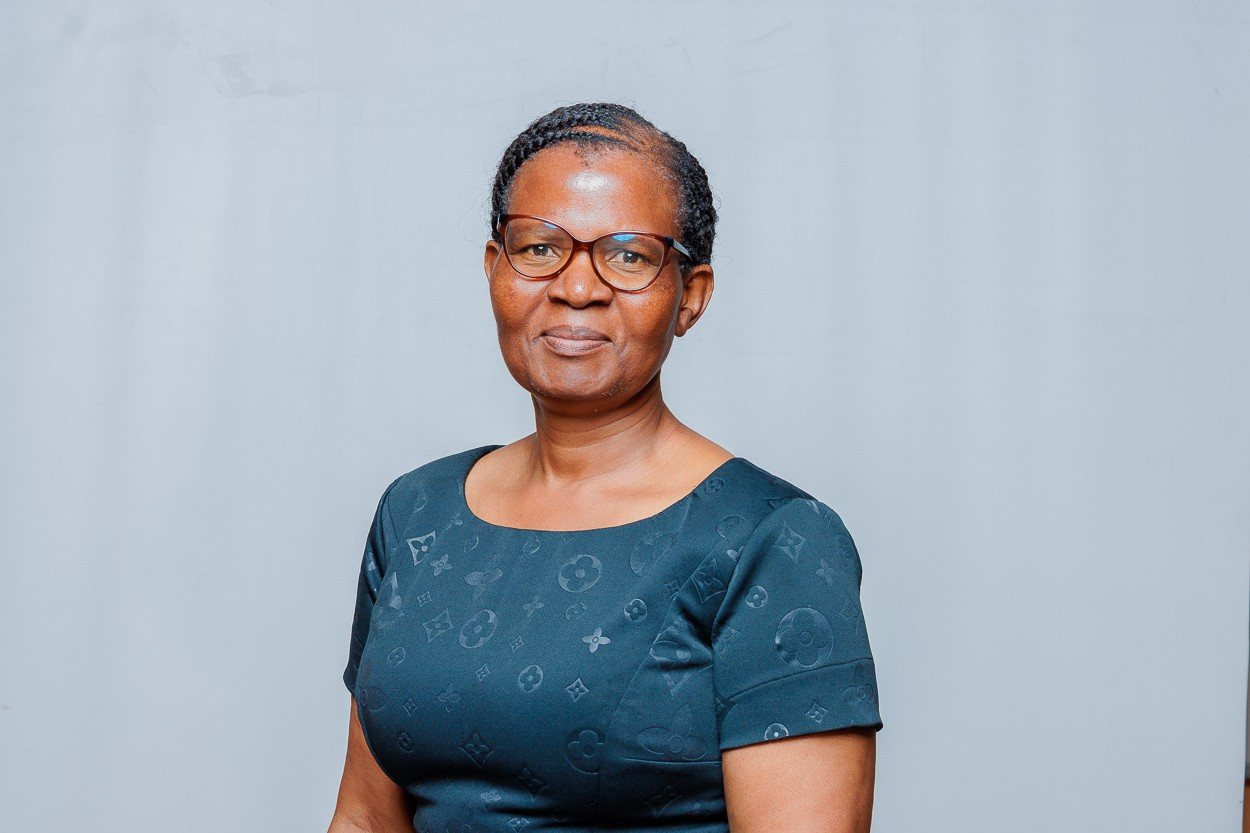
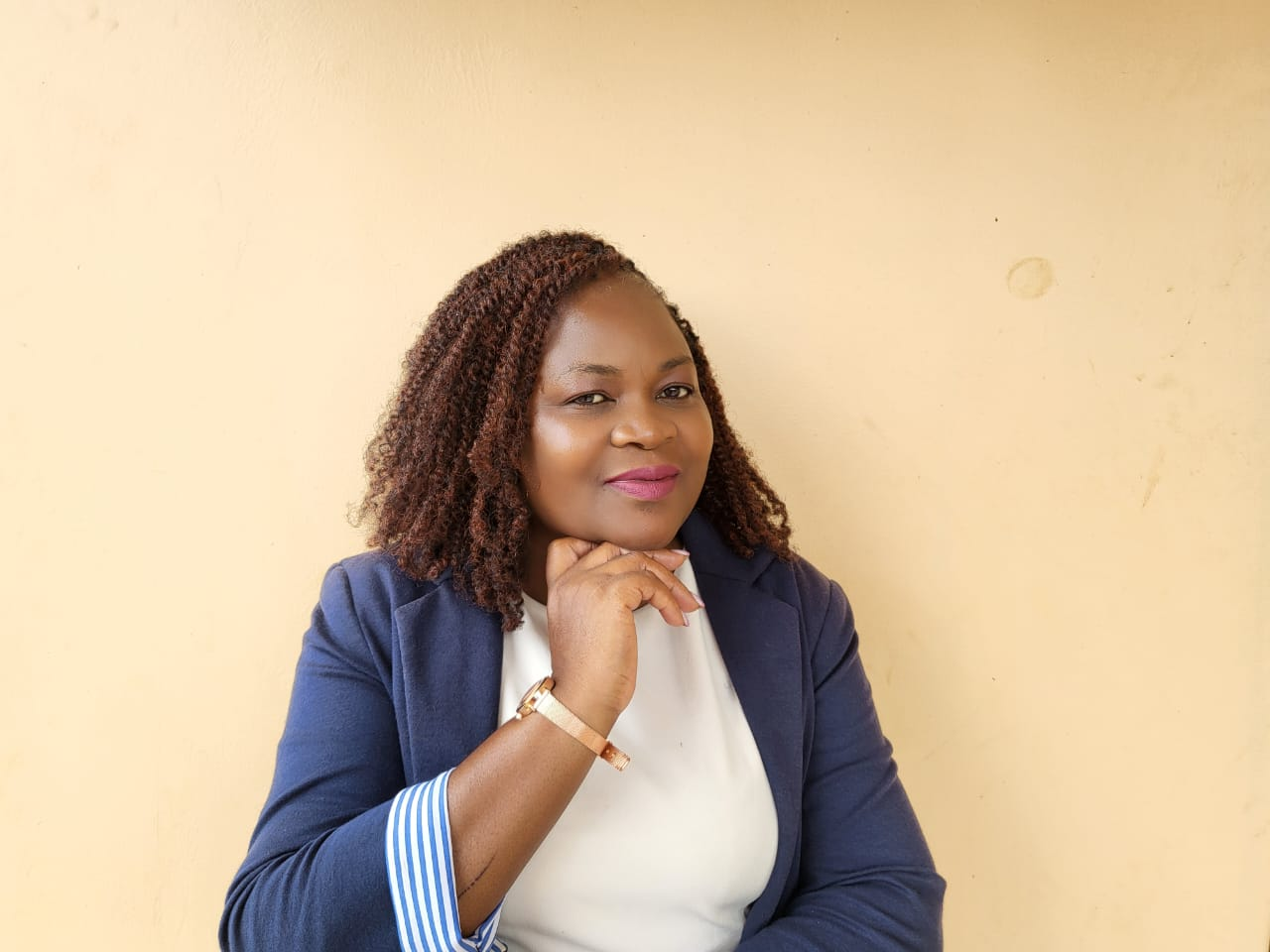
Zione Njima Dembo is a seasoned public health specialist and Research and Programmes Manager at the Centre for Public Health Research, Policy and Development in Malawi. With over 18 years of experience in global health, she has established herself as a leader in epidemic and pandemic preparedness and response, particularly within low- and middle-income country settings. Her work has focused extensively on strengthening surveillance systems, coordinating emergency responses, and supporting immunization programmes during major public health events, including polio outbreaks, cholera epidemics, and the COVID-19 pandemic. Zione has held key technical and advisory roles with international organizations such as the World Health Organization (WHO), GIZ, and global research collaborations, where she contributed to outbreak response coordination, vaccine deployment strategies, and health systems strengthening. She has also played a pivotal role in vaccine safety surveillance, including leading initiatives on adverse events following immunization and contributing to the implementation of new vaccine introduction — COVID-19, malaria and HPV vaccines. Her primary research interests include transforming vaccine uptake, prevention and control of vaccine-preventable diseases, and advancing cervical cancer prevention and screening strategies. Zione holds a Master of Science in Global Health and has contributed to several peer-reviewed publications and international scientific conferences.
Namibia
University of Namibia
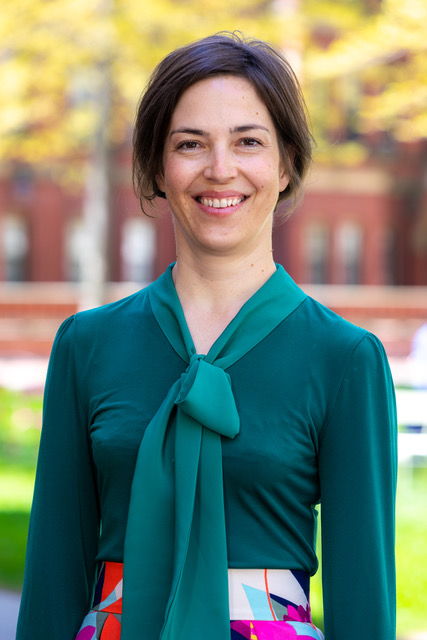
Prof. Claassens is an associate research professor at the University of Namibia and a medical doctor, African research leader as funded by the British Medical Research Council (MRC), Senior Fellow of the European and Developing Countries Clinical Trials Partnership (EDCTP) and Harvard LEAD fellow in Global Health. Her research focuses on tuberculosis, HIV and Covid-19 especially within marginalized societies in Southern Africa, like the San, an indigenous group in northeast Namibia, who suffers a very high burden of tuberculosis. She aims to improve implementation gaps by bringing the bench to the bedside and the community through participatory and community engagement approaches, in conjunction with state-of-the-art diagnostics and other technologies. She is convinced that transdisciplinary approaches, for instance One Health, could have a monumental impact on health outcomes. She feels very strongly about engaging young girls and women to make their way in the STEMM fields and is embarking on a project titled WoNam (Women in Namibia) to ensure equitable opportunities for all.
Sénégal
Niakhar Health & Demographic Surveillance System
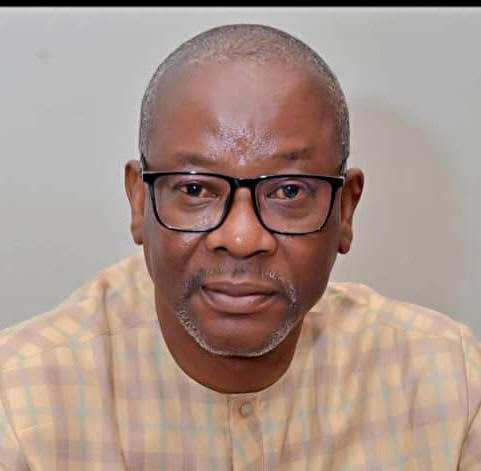
Dr. Aldiouma Diallo is a physician with more than 35 years of research experience in the Niakhar Health and Demographic Surveillance System study area. He currently serves as a member of Senegal’s National Ethics Committee (CNERS), as well as two other institutional committees (CIER-UCAD and CIER-IRESSEF), and the Advisory Council on Vaccination in Senegal (CCVS). In addition to his clinical work, one of his primary roles is to use locally generated research findings to inform both local and national health systems, thereby improving health outcomes at regional and national levels. His team has devoted significant resources to studying infectious disease epidemics and their prevention. He has extensive experience in clinical research, particularly in vaccine trials targeting endemic diseases with high mortality and morbidity. He also teaches at Senegalese universities in the fields of clinical research and health research ethics, and works as a consultant in quality assurance processes and verbal autopsy methodologies.
Uganda
East Africa Centre for Vaccines & Immunization (ECAVI)
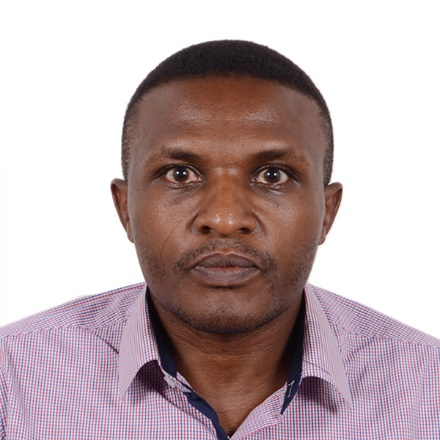
Ombeva Malande is a Vaccinologist and Associate Professor of Paediatric Infectious Diseases. He is a Stanford Global Health Scholar, and a faculty member at Makerere University, Moi University, and Sefako Makgatho Health Sciences University, South Africa. Ombeva is the Director of the East Africa Centre for Vaccines and Immunization (ECAVI), where he is the Convenor of the ECAVI Vaccinology Course for Health Professionals, ECAVI Advanced Vaccinology Course (Advac) on Vaccine Financing, Supply Chain & Logistics, and ECAVI Resource Mobilization for Health Course. Through these courses, over 1,500 mid to top level managerial health professionals from over 35 countries have been trained. He is a member of the WHO-AFRO Regional Immunization Technical Advisory Group (RITAG). A reviewer and editorial board member of many scientific journals, he has authored two books, supervised over 15 masters and 3 PhD students, published 50 peer-reviewed scientific papers, and made over 150 expert presentations at local and international scientific meetings. His research interests are Vaccine Health Systems, Antimicrobial Stewardship, Leadership in Health, Innovative Training in Health Care, and implementation science in health.
Uganda
East Africa Centre for Vaccines & Immunization (ECAVI)
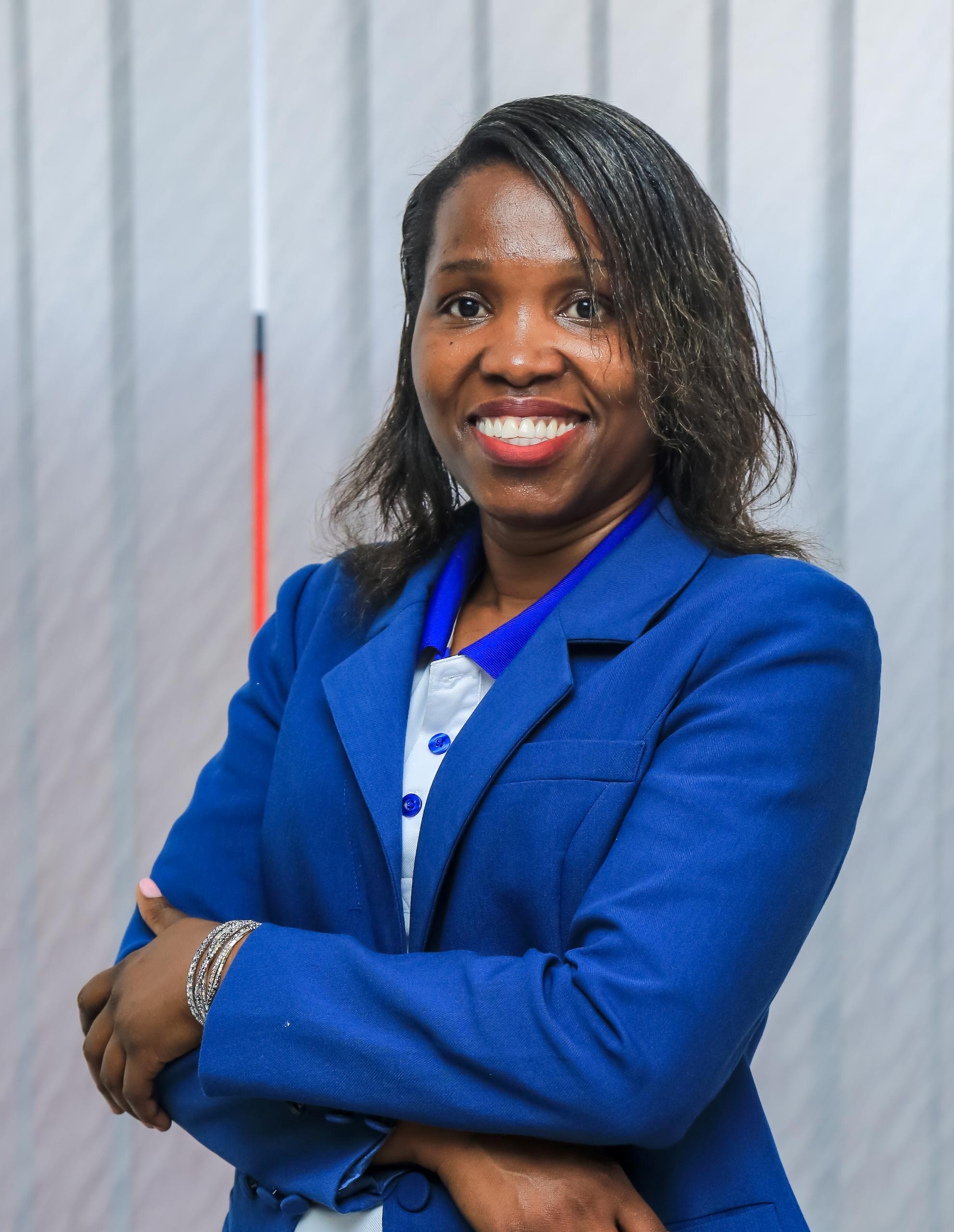
Rachel Afaayo Nakatugga is a public health researcher and Program Manager at the East Africa Centre for Vaccines and Immunization (ECAVI), holding a Master’s degree in health systems management. She hosts the annual ECAVI Courses and coordinates support and supervision of studies for masters and PhD students attached to ECAVI. Rachel has published over 10 peer-reviewed scientific papers. Her research interests include immunization health systems strengthening, vaccine preventable diseases eradication strategies, capacity building for young researchers and vaccinologists, as well as adolescent health support in Eastern Africa.
Angola
CISA-INIS, Angola
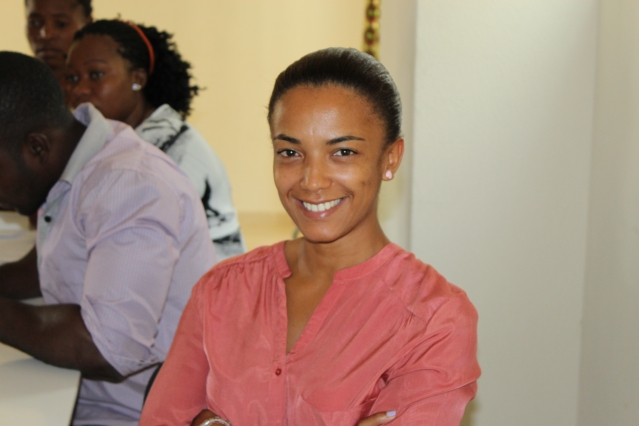
Cláudia Fançony is an Angolan researcher at the Centro de Investigação em Saúde de Angola — Instituto Nacional de Investigação em Saúde (CISA-INIS), where she is involved in writing biomedical research projects, actively seeking funding, and managing and coordinating field research. She holds a degree in Applied Biology and a Master’s in Biotechnology and Bio-entrepreneurship of Medicinal and Aromatic Plants from the University of Minho, and a PhD in Public Health from the Institute of Public Health of the University of Porto, Portugal. Her research has contributed significantly to the scientific evidence on malaria, and she is currently investigating the response of P. falciparum to drug compounds and combinations, as well as exploring the antimalarial potential of endemic plants in Angola. She is PI of three funded projects supported by the Calouste Gulbenkian Foundation, Medicines for Malaria Venture, and the Angolan Foundation for Scientific and Technological Development. Her contribution to the Angolan scientific system was recognised with the 2022 Woman of Merit Award in the research category, presented by the Angolan Ministry of Social Action, Family and Promotion of Women.
Cameroon
University of Yaoundé 1
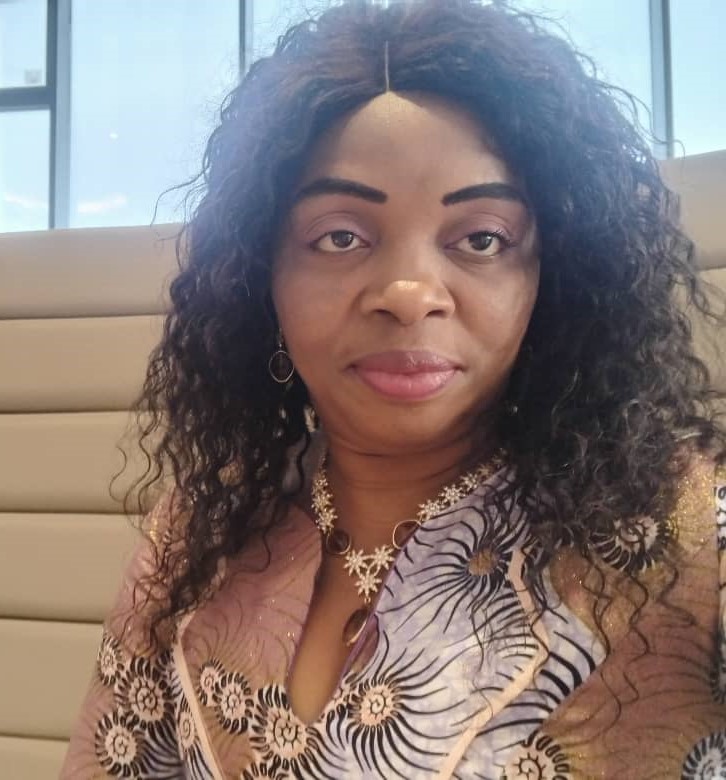
Prof. Dr. Marceline Djuidje Ngounoue (MSc, MPH, PhD) is an Associate Professor of Biochemistry/Molecular Biology at the University of Yaoundé 1, Cameroon, with specialization in virology, immunology, and public health. She was a Fulbright Scholar and Visiting Professor at Yale University School of Medicine (2016–2017), and serves as an ambassador for US Exchange Programmes. Her research focuses on viral infectious diseases and vaccinology, with more than 30 publications in peer-reviewed journals and supervision of over 25 master’s and three PhD graduates. She has led several collaborative projects and successfully mobilised funding from WHO/TDR, EDCTP, and the European Commission. Prof. Djuidje Ngounoue is a recognised research ethics expert who previously served as Executive Secretary of the Cameroon National Ethics Committee and currently coordinates the Joint Institutional Review Board for Animal and Human Bioethics at the University of Yaoundé 1. She contributes to regional and national immunisation policy as a member of the WHO AFRO Regional Immunization Technical Advisory Group (RITAG) and the Cameroon National Immunization Technical Advisory Group (NITAG). She is deeply committed to mentoring women and girls in science and is a strong advocate for research capacity building across Africa.
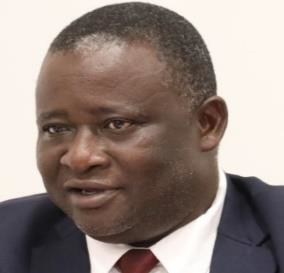
Côte d’Ivoire
Institut Pasteur de Côte d’Ivoire
Pr. Offianan André Touré is the Scientific Director of the Institut Pasteur de Côte d’Ivoire and Head of the Parasitology & Mycology Department. He received his PhD in Parasitology and Mycology from the University of Félix Houphouët Boigny of Côte d’Ivoire in 2012, and also holds a Doctorat en Médecine from the same institution. Since 2003, his research has focused on malaria clinical and vaccine trials, immune responses to malaria parasites, molecular epidemiology, placental malaria, schistosomiasis, cysticercosis, and helminthiasis. More recently, his work has expanded to include climate change and health, particularly in the field of malaria. He is a member of several learned societies including the WorldWide Antimalarial Resistance Network (WWARN), the African Society of Parasitology (SOAP), and the Ivorian Society of Parasitology and Mycology (SIPAM), of which he served as Chairman from 2019 to 2022. He is the author and co-author of more than 150 publications in impact factor journals. In 2023, he was named Winner of the 3rd Prize of Excellence for the best action to promote research and innovation in Côte d’Ivoire.
Nigeria
University of Ibadan
Dr Oluwaseun Ariyo is a Senior Lecturer in the Department of Human Nutrition and Dietetics, Faculty of Public Health, College of Medicine, University of Ibadan, Nigeria, where he has held academic appointment since December 2012. He holds a B.Sc., M.Sc., and PhD in Human Nutrition, all from the University of Ibadan, and has further enriched his global academic profile with a Certificate in Food Systems for Healthy and Sustainable Diets from Wageningen University, Netherlands, and a Postgraduate Diploma in Nutrition in a Changing Global Environment from the Hebrew University of Jerusalem, Israel. With over a decade of academic and field experience, Dr. Ariyo specialises in community and public health nutrition, bringing a deep commitment to translating research evidence into practical, context-sensitive interventions. His scholarship is organised around three interconnected research themes: maternal and child nutrition, nutrition education and behaviour change, and food systems. Across these areas, he applies mixed-methods research designs to address real-world nutrition challenges affecting diverse population groups in Nigeria and beyond. In maternal and child nutrition, Dr. Ariyo’s work is centred on dismantling the barriers that prevent families from adopting evidence-based practices for optimal maternal, infant, and young child nutrition. He has developed and evaluated text message reminder systems to improve adherence to iron and folic acid supplementation during pregnancy, designed facility- and community-level interventions to promote early initiation of breastfeeding, and investigated the determinants of appropriate complementary feeding practices. These efforts have direct implications for child growth, cognitive development, and long-term health. In nutrition education and behaviour change, Dr. Ariyo is guided by a conviction that education must be engaging, culturally relevant, and emotionally resonant to drive lasting change. He has pioneered the use of board games to make nutrition learning interactive and accessible for in-school adolescents; developed mobile applications to promote healthy dietary choices among young women; applied emotion-based messaging strategies to increase consumption of calcium-rich foods; and employed photovoice techniques to foster mindful reflection on dietary habits. This body of work reflects a sustained effort to move beyond knowledge-transfer toward genuine behavioural transformation. His food systems research focuses on maximising the reach and impact of nutrition-sensitive interventions, including large-scale food fortification and biofortification programmes. Dr Ariyo has investigated implementation gaps that limit the effectiveness of these programmes, promoted the adoption of biofortified foods such as orange-fleshed sweet potato and pro-vitamin A cassava among vulnerable groups, and examined how multisectoral partnerships spanning government ministries, civil society, and development partners can be structured to achieve more durable nutrition outcomes at scale. Dr Ariyo has authored and co-authored more than 60 peer-reviewed publications in local and international journals spanning nutrition science, public health, food science, and health communication. He has contributed a chapter to a book on improving livelihoods in Africa and has presented research papers at major scientific conferences. Beyond the laboratory and classroom, Dr. Ariyo is a practitioner of nutrition policy and programming. He is a member of Nigeria’s National Committee on Food and Nutrition and of the National Working Group on the Nigerian Food Composition Database, roles through which he contributes directly to the country’s evidence base for food and nutrition policy. He also serves on the Oyo State Committee on Food and Nutrition and facilitated the finalisation and validation of the Multisectoral Plan of Action on Food and Nutrition across many states including Ekiti, Ogun, Ondo, Osun and Oyo. He has provided technical consultancy services to development partners and non-governmental organisations across more than ten Nigerian states, including Oyo, Ekiti, Ondo, Ogun, Akwa Ibom, Plateau, Kogi, Kaduna, Benue, Bauchi, and Jigawa. Dr Ariyo’s international scholarly engagement has been marked by a series of competitive fellowships and awards. These include the African Nutrition Leadership Programme Fellowship (South Africa), the Africa Research Excellence Fund Fellowship for Grants Writing (Senegal), the KOP-Netherlands Fellowship for a course on food systems at Wageningen University, the MASHAV Scholarship from Jerusalem, and travel awards from the International Union of Nutritional Sciences, Nutrition Society UK, and the Innovative Methods and Metrics for Agriculture and Nutrition Actions (IMMANA) initiative. Dr Ariyo’s work is fundamentally characterised by a commitment to using indigenous knowledge, locally available foods, and context-adapted approaches to build nutrition resilience in Nigerian communities, a thread that runs consistently from his earliest research on elderly Nigerians in Ibadan to his current investigations into women’s empowerment, dietary diversity, and food insecurity.

Rwanda
University of Rwanda
Dr. Jean Baptiste Nyandwi holds a PhD in Convergence Medical Science. With over a decade of experience, Dr. Nyandwi is a dedicated Lecturer and Researcher in the Pharmacology and Toxicology Department and is the former Head of the Pharmacy Department at the University of Rwanda. Currently, Dr. Nyandwi serves as Training Coordinator at the EAC Regional Centre of Excellence for Vaccines, Immunization, and Health Supply Chain Management (RCE-VIHSCM), where he oversees capacity building in vaccine manufacturing, vaccinology, regulatory affairs, and supply chain management. He is also the Clinical Trial Track Coordinator for the UR TEI-MAV+ program, spearheading Rwanda’s clinical trial capacity through advanced training development, mentorship, infrastructure strengthening, and ethical governance. In parallel, he serves as the Capacity Building Coordinator for the Eastern Africa Hub for Behavioural and Social Science Research and Capacity Strengthening for Vaccine Uptake (EAR_VU), fostering multi-institutional collaborations to enhance vaccine confidence and uptake across the region. He is further recognized as the Co-Coordinator of Eastern Africa Regional Capacity and Capability Network (RCCN), an Africa CDC flagship initiative advancing the Manufacturing Agenda 2040. In this role, he contributes to building regional capacity in research and development (R&D), manufacturing, and regulatory science, ensuring Africa’s preparedness to achieve sustainable vaccine, biologicals and pharmaceutical production. Dr. Nyandwi is a member of the National Pharmacovigilance Advisory Committee of the Rwanda Food and Drugs Authority (since 2021) and has been a member of the Technical Committee on Pharmaceutical Products (RSB/TC 015) of the Rwanda Standards Board (since 2018). He also contributes to the Country Coordination Committee (CCC) of the Trial Regulation and Clinical Ethics Optimization (TRACE) initiative in Rwanda, and brings his expertise to continental platforms such as the Regulatory Capacity Development Sub-Technical Committee on Vaccines Regulatory Oversight of AUDA-NEPAD and the Vaccine Manufacturing Talent Development Workstream of the Africa CDC-Platform for Harmonized African Health Products Manufacturing (PHAHM). His scholarly contributions span numerous peer-reviewed publications in international journals, and he serves as a reviewer for esteemed scientific outlets, reinforcing his role as both a thought leader and a gatekeeper of scientific integrity.
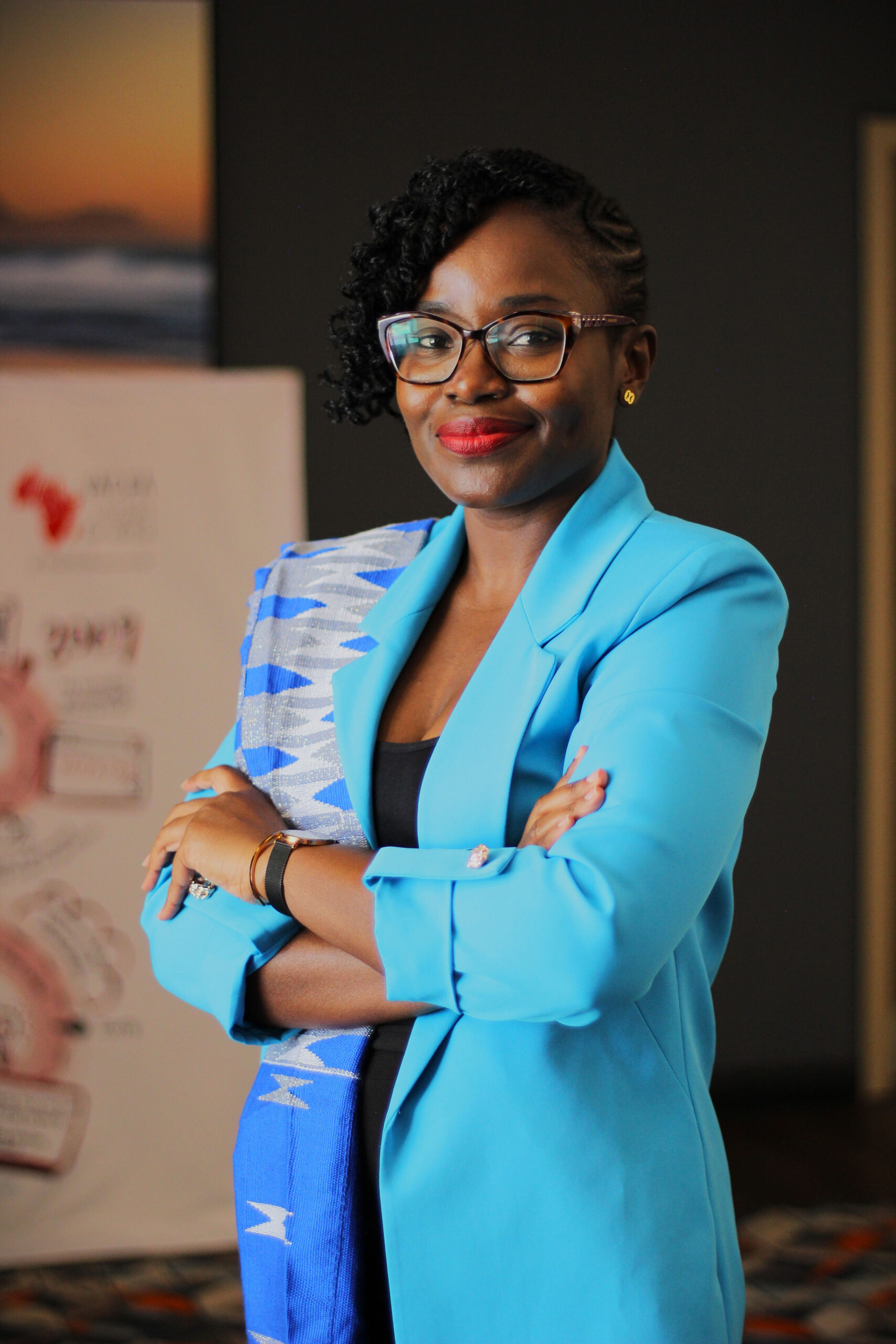
South Africa
Vaccines for Africa Initiative (VACFA), University of Cape Town
Dr. Edina Amponsah-Dacosta is a trained Medical Virologist, Vaccinologist, and Health Systems researcher. She currently serves as Senior Research Officer and Evidence-Informed Decision-Making Specialist at the Vaccines for Africa Initiative (VACFA), based at the University of Cape Town, South Africa. In this role, Edina is directly involved in strengthening expert recommendations on vaccines and immunization services in Africa. She is also the Principal Investigator of a Gilead Sciences sponsored project assessing the neglected burden of viral hepatitis among HIV-exposed uninfected and infected pediatric populations. Her other research interests include scaling-up health systems capacity to support under-utilized immunization programmes such as hepatitis B birth-dose vaccination, Human Papillomavirus vaccination, and maternal immunization programmes. Edina is also involved in conducting clinical trials and systematic reviews, postgraduate teaching and supervision, and co-convenes the Annual African Vaccinology Course hosted by VACFA. She is an affiliate member of the African Academy of Sciences.
Western University
Co-Investigators
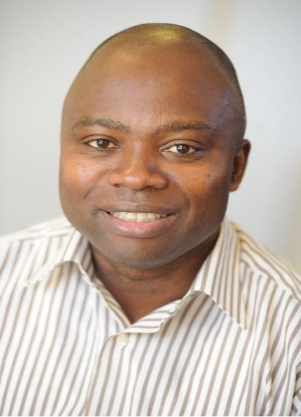
Co-Investigator
Western University
Ngianga-Bakwin Kandala, PhD, FHEA, FAAS is Professor of Biostatistics at the University of Western Ontario, Canada, a Distinguished Professor of Biostatistics at the University of Witwatersrand, South Africa, and Senior Scientist at the African Population and Health Research Centre, Senegal. Kandala has held numerous university positions with over 25 years of progressively increasing responsibilities in several academic institutions around the globe, including the University of Warwick, University of Oxford, Northumbria University, University of Southampton, Kings College London, University of Adger, Norway, Luxembourg Institute of Health, University of Lagos, University of Botswana, and University of Kinshasa. He brings together a successful record of research productivity and academic achievements with experience in research administration and management. Kandala pioneered Bayesian spatial modelling of maternal and child health outcomes using large-scale household data in Africa — an approach now widely used in spatial demography to quantify the impact of environment on human health. He has published widely in the field of statistics and population health and serves on several research funding boards including the UK Medical Research Council Global Health board, Wellcome Trust, Canadian Institute of Health Research Board, German Science Foundation, and the Swiss Science Foundation. Kandala is a Fellow of the African Academy of Science (FAAS) and Fellow of the Higher Education Academy (FHEA), UK.
Co-Investigator
Western University
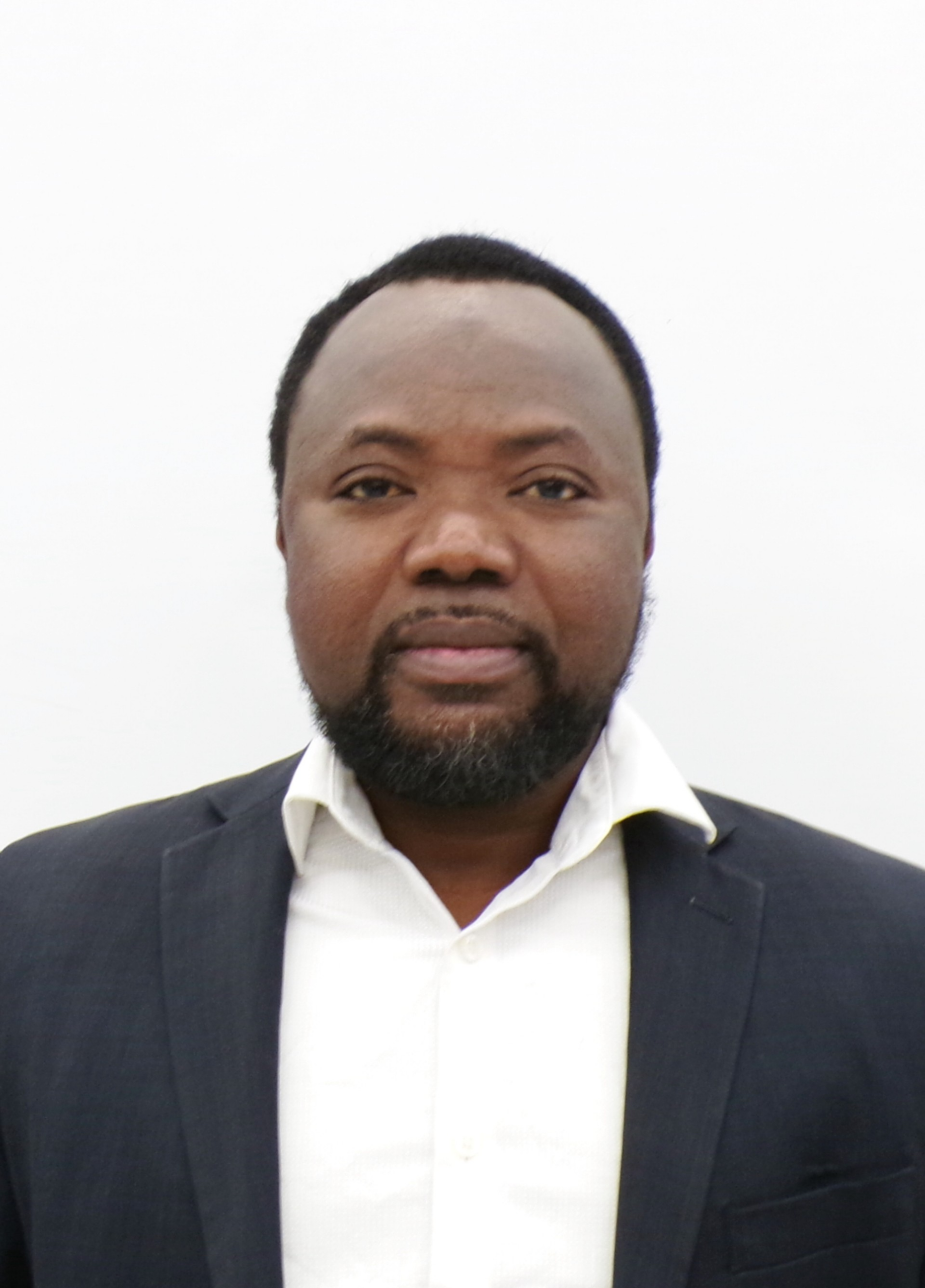
Dr. Suleyman M. Demi is an educator, researcher, and environmental activist who dedicates his work to addressing issues affecting society’s marginalized populations. His research interests are multidisciplinary, stemming from social and environmental justice, anti-Black racism, Indigenous health and food systems, sustainable food and environmental practices, health equity, and the social determinants of health. He has authored and co-authored articles on health equity, food security, decolonizing food systems, and the intersection of food and chronic illnesses, as well as co-edited books on African proverbs and retheorizing anti-colonialism. Dr. Demi was a Postdoctoral Fellow at the Faculty of Medicine at Dalhousie University, a Postdoctoral Fellow at the Department of Health and Society at the University of Toronto Scarborough, and a Senior Doctoral Fellow at the Department of African Studies, New College of the University of Toronto. He currently teaches and researches at the School of Social Work, Algoma University, Sault Ste Marie Campus, and was former Chair of the anti-Black racism working group at Algoma University.